tabhuang.ca

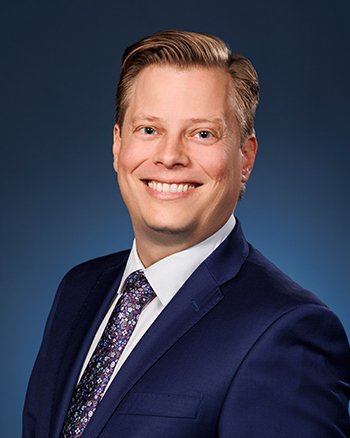
Hi, I’m Tab Huang.

Doing cool stuff and interested in AI, politics, policy, cognitive science, business, and philosophy.

Burlington Youth Student CouncilThe Knowledge SocietyLinkedkey Model UNHSC ResearchHSC Model UNHSC STEM ClubHSC Debate ClubHSCMUNOxfordMUN CanadaHarvardMUN CanadaYouth Politicians of Canada
About

Who I am

I’m a student going into grade 11 in September at Hillfield Strathallan College (HSC), interested in AI, politics, policy, cognitive science, business, and philosophy.

On the technical side, I’ve won a hackathon, placed first in my school (junior) at the Canadian Computing Contest, and built websites, including this one. I also compete and staff at Model UN conferences, especially crisis committees, with awards both internationally and locally and plenty staffed across Canada.

Philosophy pulls me into rabbit holes about life, reality, and consciousness, which is what draws me to cognitive science. I’ve also used AI for a while, across Claude, Google, and ChatGPT, for everything from schoolwork to coding, and I follow the news closely, from its upside (cracking unsolved math problems) to its risks (reports like AI 2027).

Mostly, though, I like the overlap. I’ve been trying to break into where these topics meet, like Claude’s introspective awareness or AI in governance. I’m open to more hackathons and Model UNs, plus any discussion about AI or philosophy, so feel free to reach out.


Projects & activities

A few things I’ve been working on.

Reach out directly for a full list of activities or my resume.

01

Model UN

Participated and won Model UN conferences at an international level: awards from Yale Model UN, the European International Model UN, and Toronto Model UN; competed at National High School Model UN and Cornell Model UN; staffed OxfordMUN Canada and am staffing HarvardMUN Canada 2026.

Extracurricular
02

Writing Contests

Essay contests in philosophy and political science. For philosophy, the University of Toronto’s Aristotle Contest, arguing that humans must stay in research because AI can neither hand over the experience of discovering nor generate the desires that decide what gets researched. For political science, a Columbia Political Review submission proposing a civic-tech platform that turns citizen consensus into legislation.

Philosophy & poli-sci
03

LLM Research

When an AI model is forced to choose between protecting people and protecting infrastructure, what does it actually do? This research puts frontier models through UNDRR disaster planning simulations across multiple scenarios and models, measuring both what they decide and how they justify it.

Ongoing paper
04

PhilosopherBench

Which philosopher does an AI model think like? 25 frontier models answer the same 38 open philosophical questions, and every answer is matched against verified ideas drawn from 117 works by 85 philosophers. The finding: two different models agree with each other nearly as much as one model agrees with itself.

2026
05

MunOS

Most conferences run on spreadsheets and email chains. MunOS replaces that: persistent committees, live delegate tracking, full resolution workflow, and more caucus types than the standard two. No account needed.

2025, ongoing
06

Rory Nisan Mayoral Campaign

Volunteer internship coordinating high school outreach for a Burlington mayoral campaign. Organized student volunteers and built support among high schoolers across the city.

Internship 2026
Portfolio

Coded Projects

Check out my GitHub Profilegithub.com/tab-huang TabBot code

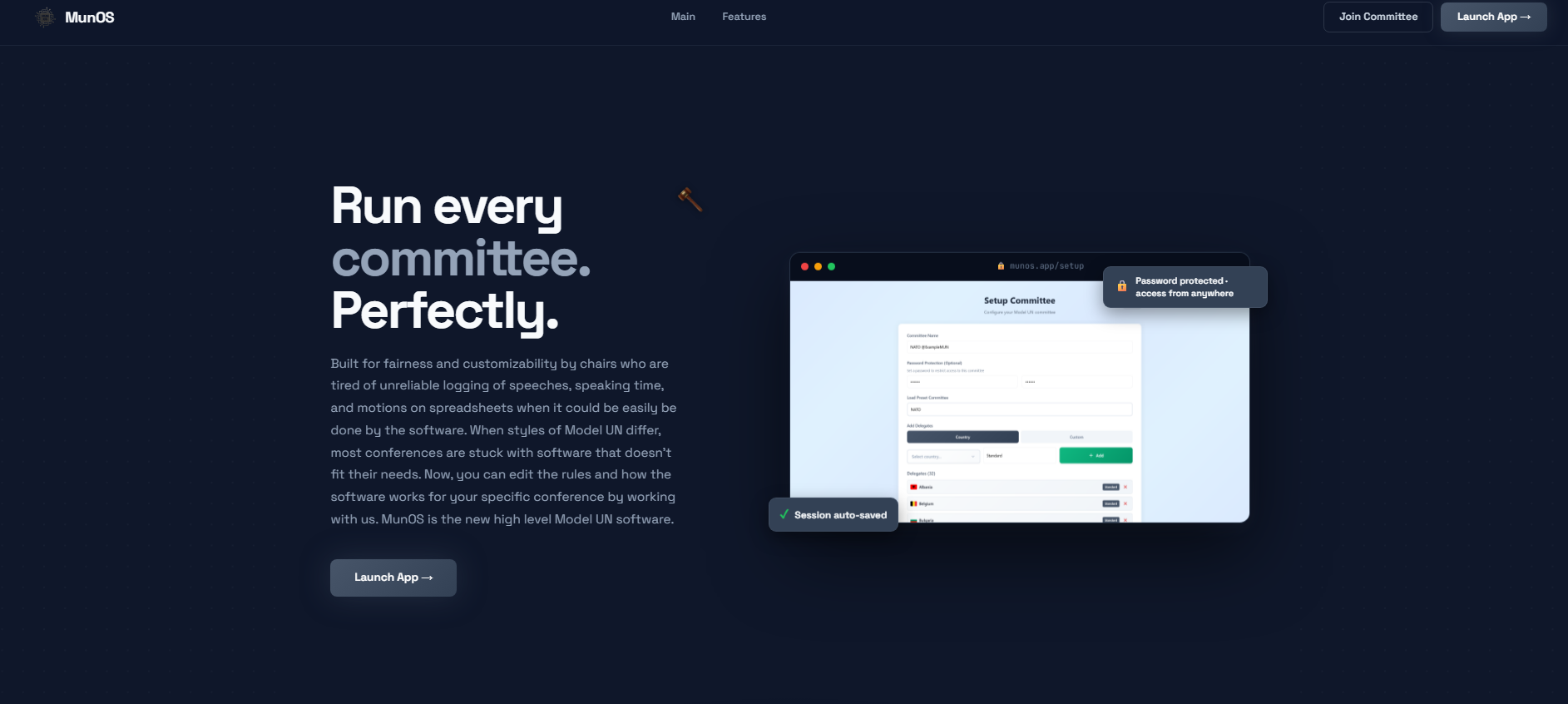
MunOS

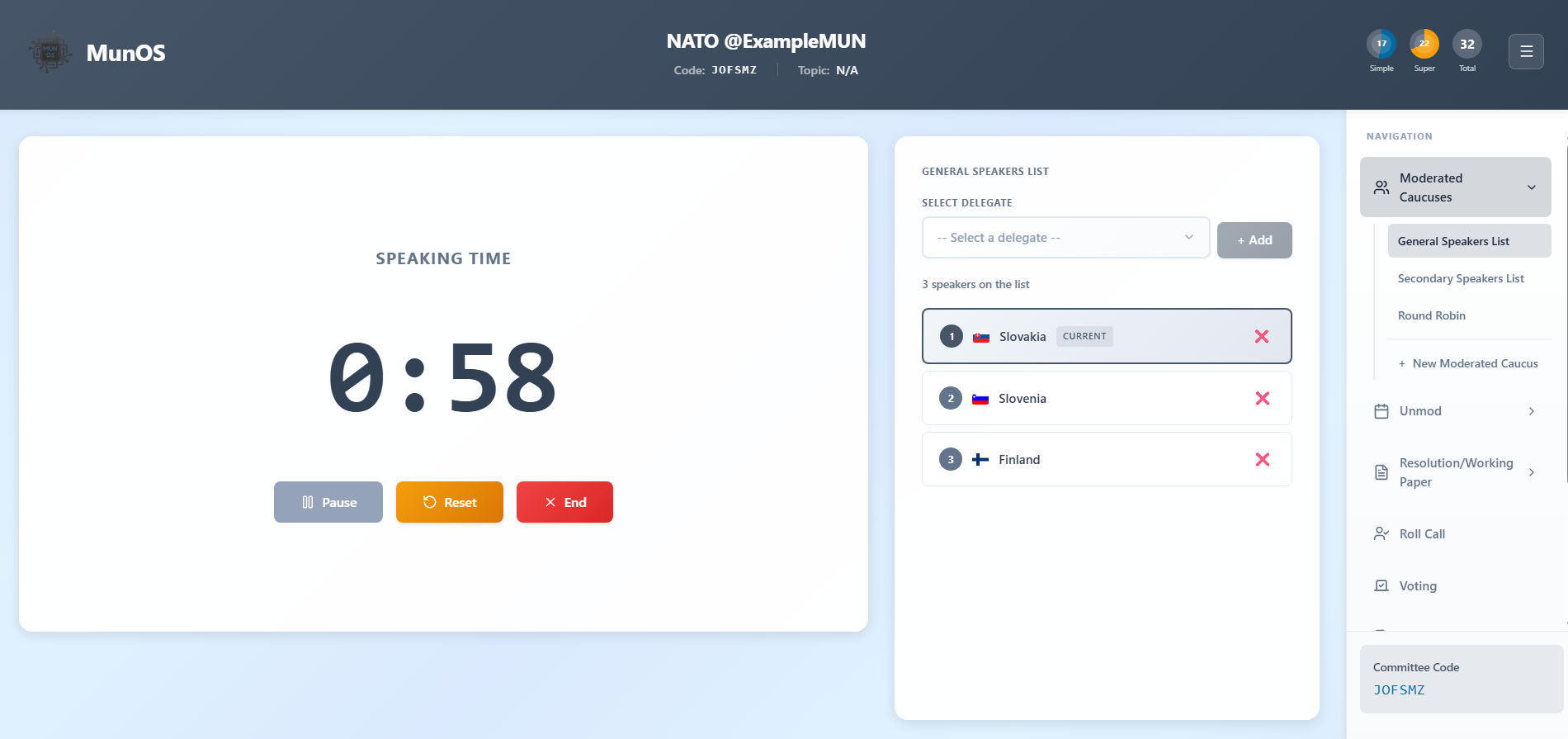
MunOS screenshot

The new Model UN operating system, committee management software built for chairs, not conference directors. It handles roll call, speakers lists, moderated and unmoderated caucuses, motions, voting, and resolutions, with QR-code delegate join and real-time sync across everyone in a session.

Coded fully by me and AI, and potentially adopted by 3 conferences next school year.

Private repository

Want to try it out or interested in implementing MunOS at your conference?
ReactTypeScriptPythonSQL

ProtectionIV

ProtectionIV screenshot

A crisis-to-action disaster response app: when an alert fires, it takes your location, triages how much time you have, and returns one calm, plain-language action plan drawn over a satellite map. Four hazards (flood, wildfire, tornado, earthquake), each reasoning over live geospatial data like elevation, NASA fire detections, wind, and recent quakes. Deterministic-first, AI-second, so it keeps working even when the network doesn’t.

Developed by me and David.

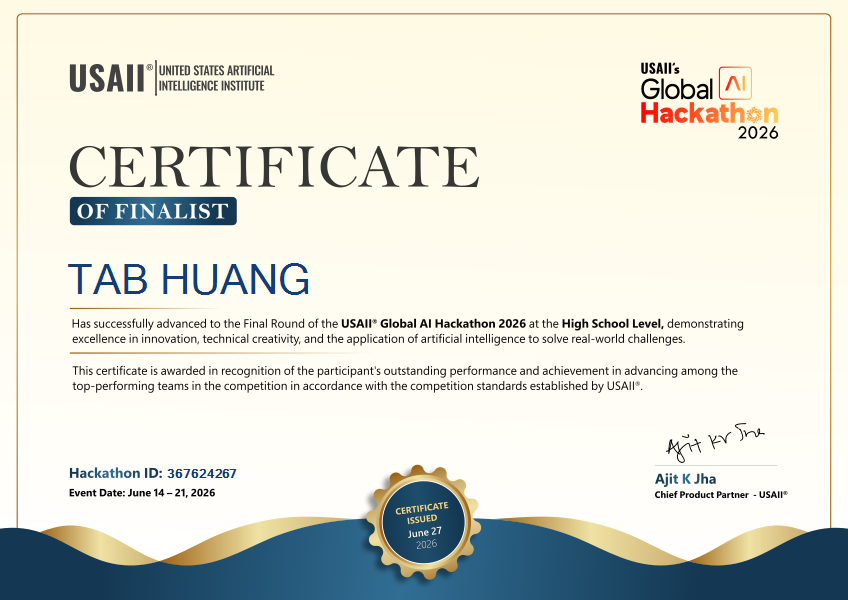
Won Finalist at the USAII Hackathon, out of 900+ participants who qualified in the high school track.

ProtectionIV finalist certificate
FastAPIReactPythonOpenAI

PhilosopherBench

PhilosopherBench screenshot
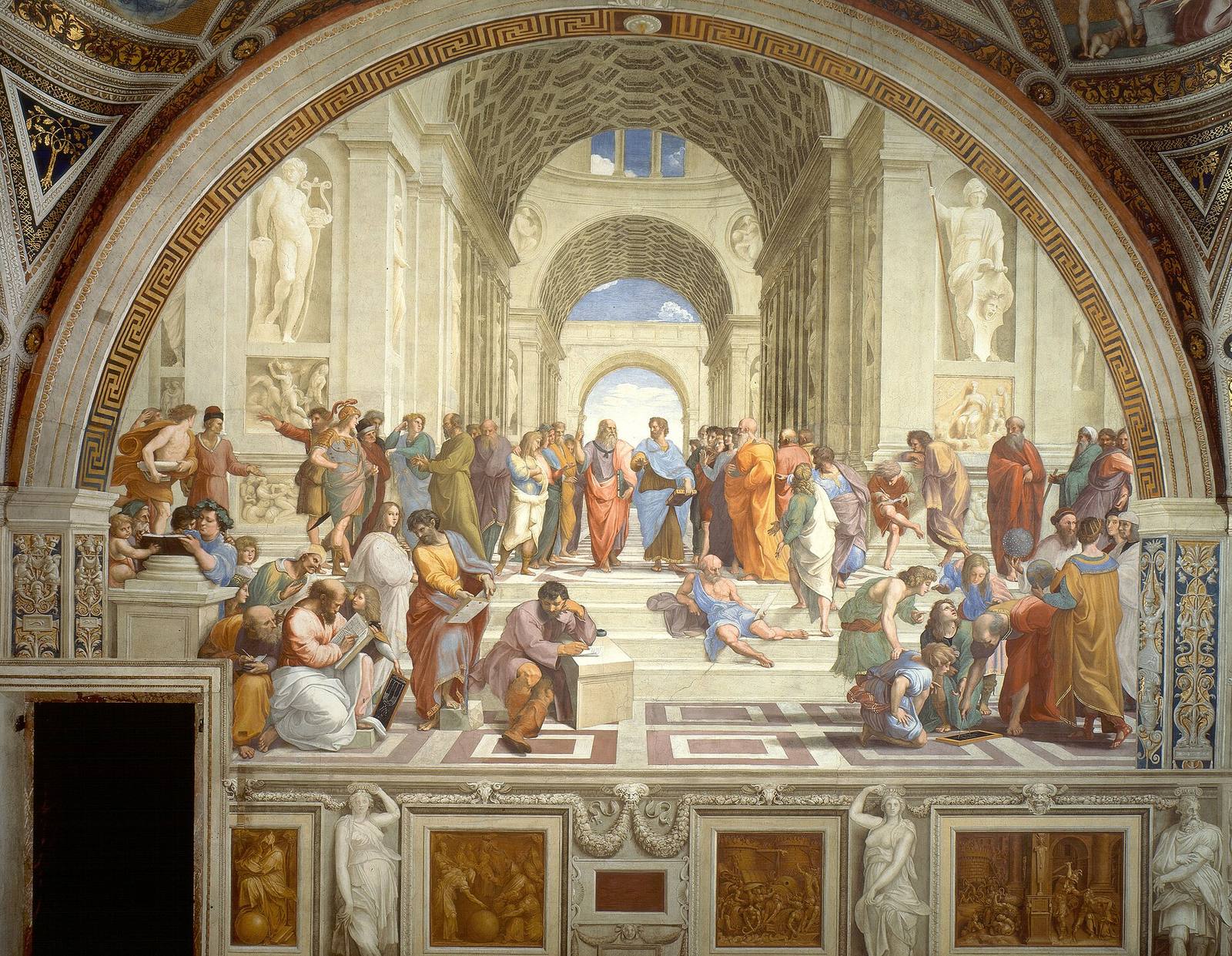
A benchmark that asks which philosopher an AI model thinks like. 25 frontier models from 17 labs each answer the same 38 open philosophical questions three times over, and every answer is embedded and matched against 2,030 verified idea cards dissected from 117 works by 85 philosophers, so the comparison is always to a specific position a specific thinker argued for, never to a label like “utilitarian”.

The headline finding: two different models agree with each other nearly as much as one model agrees with itself, measured against null baselines built from millions of mismatched pairs. A second, embedding-free check against the 2020 PhilPapers Survey of 1,785 professional philosophers points the same way, with the models the more unified group on 17 of 18 shared questions.

Private repository

ReactTypeScriptPythonOpenRouter

Carebot

Carebot screenshot

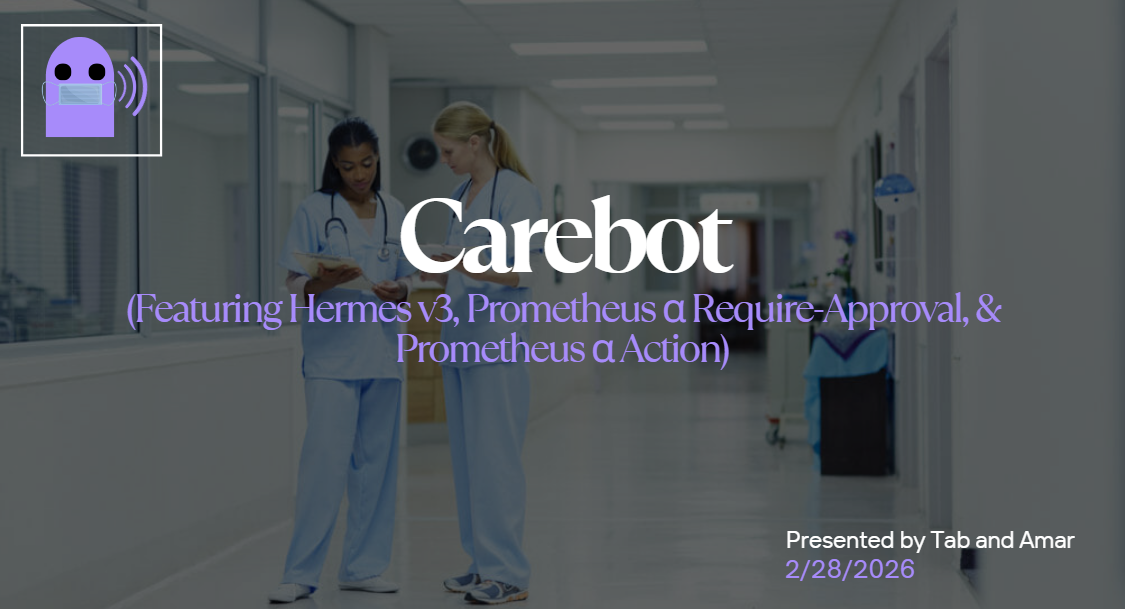
A voice-only robot assistant for healthcare clinic waiting rooms, paired with a staff dashboard that tracks the patient queue, wait times, and live updates. A Flask + WebSocket backend serves both the kiosk robot and a Next.js dashboard, keeping everyone in sync.

Developed by me and Amar.

Received First Place at MoHacks 2026.

FlaskNext.jsWebSocketPythonOpenAI

LookoutBot

LookoutBot screenshot

An AI companion that scrolls your social feed alongside you and privately nudges you when a friend might be struggling: someone getting piled on in the comments, or whose posts have quietly been getting darker. It sees only what you already see, talks only to you, never messages your friend or diagnoses, and helps you find the words to reach out. A Chrome extension backed by a small local relay.

Chrome extensionPythonOpenAI

Tabsite

This very site, designed and built from scratch in React and Vite, hand-drawn faces and all.

ReactVite
More soon
Portfolio

Distinguished Writings

HarvardMUN Dune Guides

HarvardMUN Dune Guides

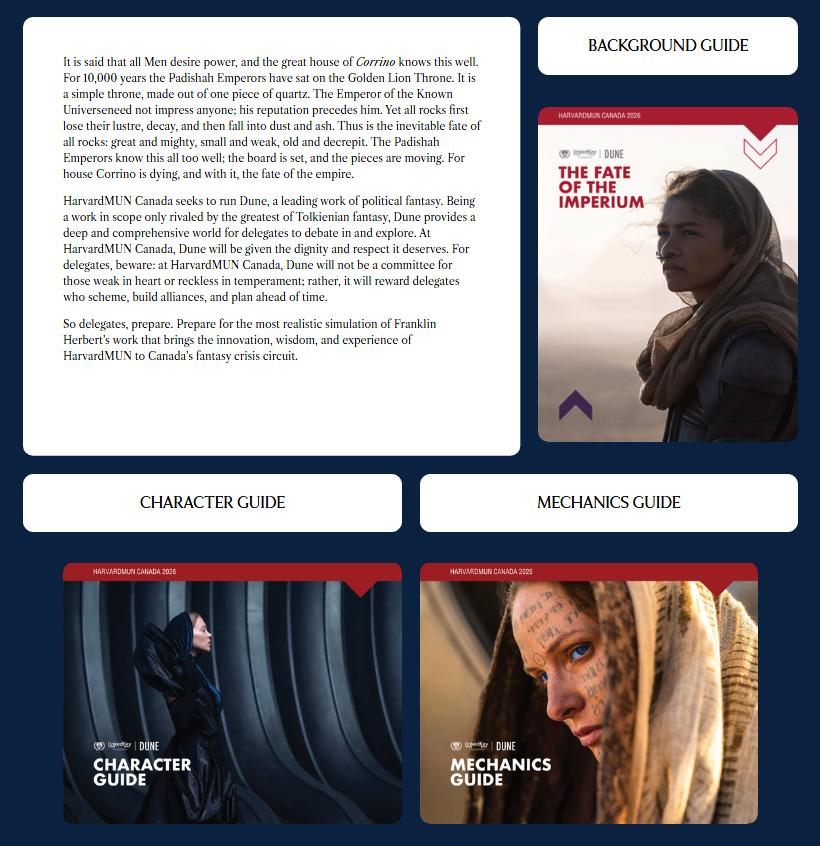
I have worked extensively to help refine and write the guides for the Dune Committee at Harvard Model UN Canada, an advanced crisis committee set in Frank Herbert’s Dune universe. The guides were written in close collaboration with Harvard students and other committee staff, with each of us contributing to and refining a shared set of documents. My main work was in the Character Guide and Mechanics Guide: I designed the entire Imperium Map that anchors the committee’s world, wrote and crafted characters drawn from across the Dune universe, and built out the mechanics that govern how delegates act and how crises unfold. Alongside the writing, I supervised junior crisis analysts, guiding their contributions and helping shape the committee into a cohesive, immersive experience for delegates.

Model UN guide

Columbia Political Review

Columbia Political Review

My submission, “Unmuting Citizens: Giving the Voice that Liberal Democracy Promised,” argues that younger generations have lost faith in liberal democracy because its promise of a voice for every citizen has been diluted by wealth and age, and that the real flaw is not the vote but who gets to set the agenda. It proposes vConsensus, a civic-tech platform modelled on Taiwan’s vTaiwan, where citizens raise issues and vote on each other’s statements to surface the common ground across groups; once participation crosses a threshold, the government is compelled to turn that consensus into debated legislation.

Essay

The Aristotle Contest

The Aristotle Contest

My submission to the University of Toronto’s Aristotle Contest, “Humans Must Do It: Research for a Future Humanity Truly Desires,” argues that even if AI can answer questions better than we can, humans must stay in research for two reasons: discovery and desire. The first is that curiosity comes in a shallow form, wanting an answer to exist, and a deep form, wanting to have resolved it oneself; only research, where no one has reached the answer before, satisfies the deeper kind, and a world where every answer is one query away quietly stops exercising it. Drawing on Mill’s claim that it is better to be Socrates dissatisfied than a fool satisfied, I argue this is not a smaller enjoyment but a lower kind of one. The second is that every question ever pursued grew out of a human desire, born of emotions too irrational and contingent for a machine to genuinely generate rather than extrapolate; since research decides what gets added to the world, whoever sets its direction authors the future. I close by answering the objection that keeping humans in research trades lives for enjoyment: AI is fast but finite, so its capacity is always spent on the urgent questions first, and the remainder is left to those for whom the discovery was the point.

Essay

Ethical Priorities in LLMs Research Paper

An ongoing research paper, “Ethical Priorities in LLMs in a Resource-Constrained Disaster Sandbox,” conducted with the guidance of Professor Effoduh. The study evaluates how different frontier LLMs make trade-offs when allocating constrained resources in high-stakes disaster planning scenarios. Specifically, it measures whether models systematically prioritize human safety infrastructure (hospitals, schools, residential) over economic assets (factories, hotels, commercial) when budget limitations make full protection impossible.

Work in Progress
Research paper

HSCMUN UNICEF Background Guide

HSCMUN UNICEF Background Guide

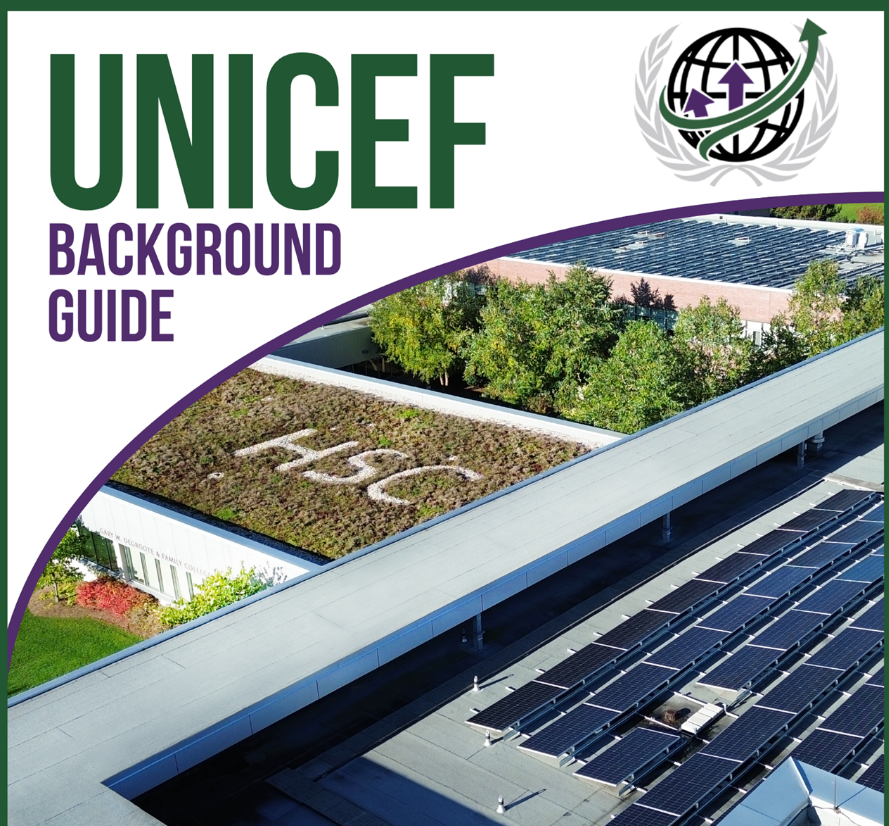
As one of the assistant directors for the UNICEF committee at HSCMUN, I was responsible for writing all of Topic B, on supporting children with disabilities. The topic examines the roughly 240 million children with disabilities worldwide and the compounding barriers they face: economic strain on families, inaccessible infrastructure, weak and ambiguous policy, gaps in rehabilitation and education, and persistent stigma. It traces the medical, genetic, and nutritional causes of disability, grounds the issue in a multi-country African Child Policy Forum case study, and frames the committee’s task around UNICEF’s Disability Inclusion Policy and the wider Sustainable Development Goals.

Model UN guide
Get in touch

Want to chat?

I love meeting people and talking through ideas, whether it’s AI, philosophy, Model UN, or anything in between. Reach out anytime, I’d love to hear from you.

LinkedInBurlington, Ontario